


Transportation Infrastructure Lighting
Transportation infrastructure lighting plays a vital role in ensuring safety, efficiency, and comfort across modern roadways, transit systems, and public spaces. It is an essential part of the built environment because it helps people move safely during nighttime and in low-visibility conditions. Well-designed lighting supports drivers, pedestrians, cyclists, and public transport users by improving visibility, reducing accidents, and creating a more secure atmosphere.One of the primary purposes of transportation infrastructure lighting is to enhance road safety. On highways, arterial roads, intersections, tunnels, bridges, and interchanges, proper illumination helps drivers clearly see lane markings, traffic signs, barriers, and other vehicles. This reduces the risk of collisions and allows drivers to react more quickly to changing conditions. In pedestrian areas such as crosswalks, bus stops, and transit stations, lighting also helps people recognize hazards and navigate spaces more confidently. Good lighting is especially important in areas with heavy traffic, complex road layouts, or frequent pedestrian movement.Transportation lighting also contributes to operational efficiency. In airports, rail stations, metro platforms, parking facilities, and logistics hubs, illumination supports smooth movement and wayfinding. Travelers can locate entrances, exits, ticketing areas, waiting zones, and connections more easily when lighting is clear and well distributed. In freight and industrial transport areas, lighting helps workers perform tasks safely and accurately, even during night operations. This improves productivity while reducing the chance of mistakes and delays.Another important aspect is the design quality of lighting systems. Modern transportation lighting must balance brightness, uniformity, color rendering, glare control, and energy efficiency. Excessive glare can impair vision and create discomfort, while uneven lighting may cause dark spots that increase danger. Therefore, lighting systems should be carefully planned to provide sufficient visibility without wasting energy or creating visual pollution. The use of efficient light sources, smart controls, and adaptive dimming can help achieve this balance. Such systems can adjust brightness according to traffic flow, weather conditions, and time of day, improving both performance and sustainability.Durability is also a key requirement. Transportation infrastructure is exposed to harsh outdoor conditions such as rain, wind, dust, vibration, temperature changes, and pollution. Lighting equipment must therefore be robust, weather-resistant, and low-maintenance. Reliable performance is important because failures in critical areas can quickly lead to safety risks and service interruptions. Long-lasting lighting solutions reduce maintenance costs and minimize disruption to transportation networks.In addition to safety and efficiency, transportation infrastructure lighting shapes the overall user experience. A well-lit road, station, or terminal feels more orderly, welcoming, and secure. It can strengthen public confidence in transportation systems and encourage greater use of shared mobility options. As cities continue to grow and transport networks become more complex, lighting will remain a fundamental element in creating safe, functional, and sustainable infrastructure for everyone.
Products
Category:
No search results found!
Blog
Category:
-
[Lighting Technology & Guides]How to Plan Lighting for Public Transport Shelters
2026-10-12 08:02:45 -
[Lighting Technology & Guides]How to Plan Bridge Lighting for Roads, Walkways and Structur...
2026-10-19 08:49:33
Solutions & Projects
Category:
-
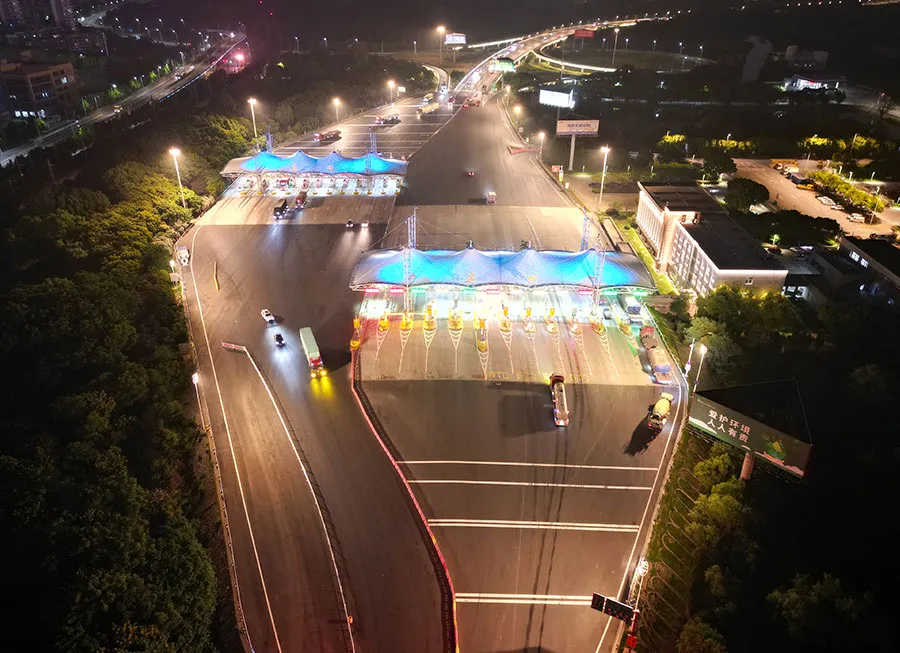
Highway Lighting Solutions
-
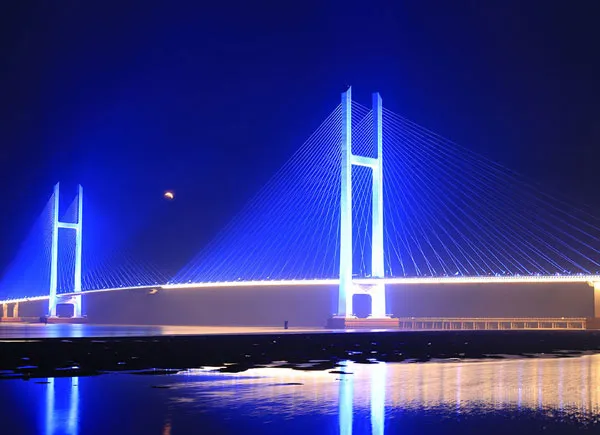
Bridge Lighting Solutions
-
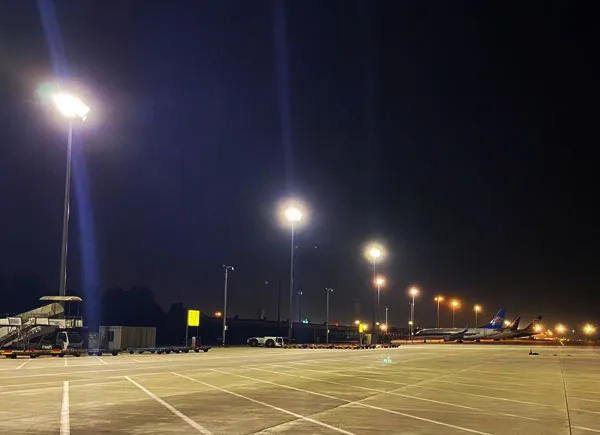
Airport Lighting Solutions
-
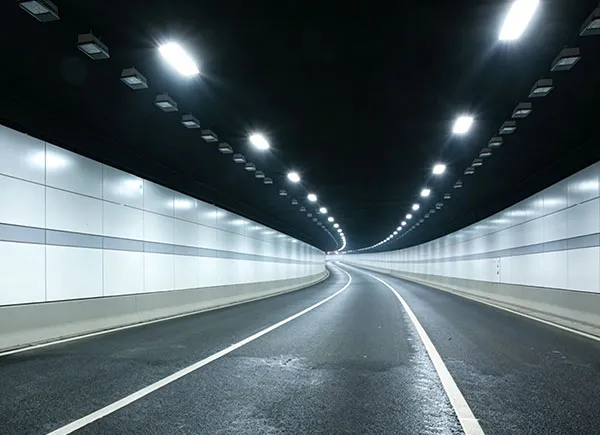
Tunnel Lighting Solutions
Video
Category:
No search results found!
Download
Category:
No search results found!
Job
Category:
No search results found!
Featured Products
No search results found!



 Phone