


Urban Public Space Lighting
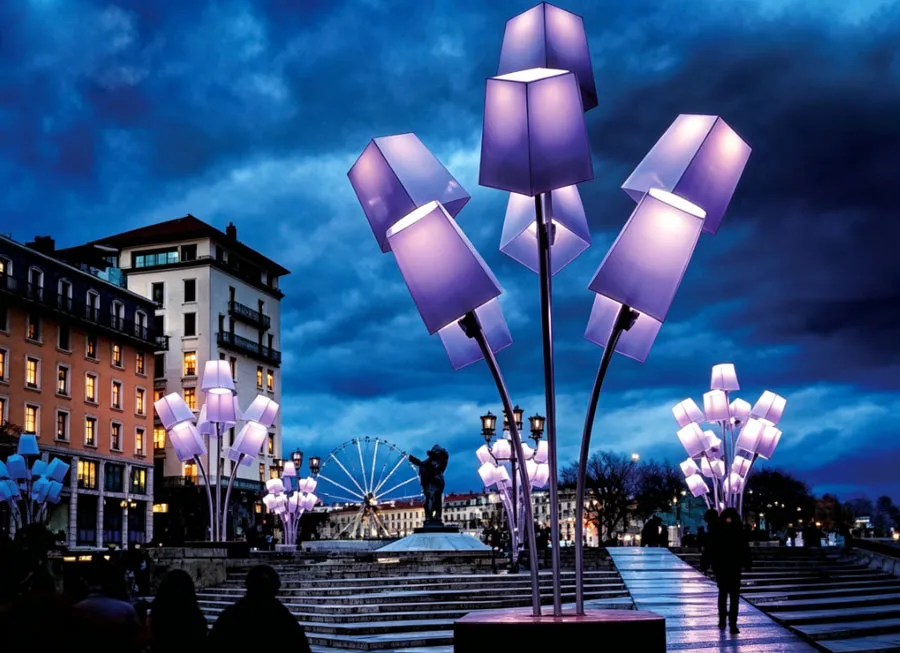
Urban public space lighting plays a vital role in shaping the safety, comfort, and identity of a city after dark. It is more than a practical necessity for visibility; it is also an important element of urban design that influences how people experience streets, plazas, parks, waterfronts, and transportation hubs at night. Well-planned lighting can make public spaces feel welcoming, improve navigation, support social activity, and highlight the character of the built environment.One of the most important functions of urban public space lighting is safety. Adequate illumination helps pedestrians, cyclists, and drivers see obstacles, changes in terrain, and other people clearly. It reduces the risk of accidents and can help discourage crime by increasing visibility in areas where people gather or pass through. In this sense, lighting contributes to both actual safety and the feeling of safety, which is equally important for encouraging people to use public spaces after sunset.Lighting also affects the social life of a city. Streets and squares with balanced, attractive lighting are more likely to attract residents, tourists, and local businesses during evening hours. People are more willing to walk, sit, talk, and participate in outdoor activities when they feel comfortable in the environment. Outdoor dining areas, pedestrian streets, parks, and cultural districts benefit greatly from thoughtful lighting that creates a pleasant nighttime atmosphere. In this way, lighting supports urban vitality and extends the use of public space beyond daylight hours.Aesthetically, urban lighting can emphasize architecture, landscaping, and public art. Light can be used to frame building facades, accentuate trees and water features, or create focal points in open areas. Different color temperatures, brightness levels, and fixture styles can produce different moods, from calm and elegant to dynamic and festive. Good lighting design respects the identity of a place and helps create a unique nighttime landscape that reflects the city’s character.At the same time, modern urban public space lighting must address environmental concerns. Excessive brightness, glare, and light pollution can disrupt ecosystems, waste energy, and reduce the quality of the night sky. For this reason, efficient technologies such as LED systems, motion sensors, dimming controls, and carefully directed luminaires are increasingly important. These solutions help reduce energy consumption while maintaining high-quality illumination. Sustainable lighting design balances human needs with environmental responsibility.Another key aspect is inclusiveness. Public lighting should serve people of different ages, abilities, and mobility levels. Uniform lighting, good contrast, and clear visibility at crossings and pathways can make spaces easier to use for older adults, children, and people with visual impairments. When lighting is designed with accessibility in mind, public spaces become more equitable and user-friendly.In conclusion, urban public space lighting is essential to the life of a modern city. It improves safety, encourages social interaction, enhances visual appeal, supports sustainability, and strengthens the identity of public places. Thoughtful lighting design helps cities remain active, accessible, and enjoyable long after the sun goes down.
Products
Category:
No search results found!
Blog
Category:
No search results found!
Solutions & Projects
Category:
-
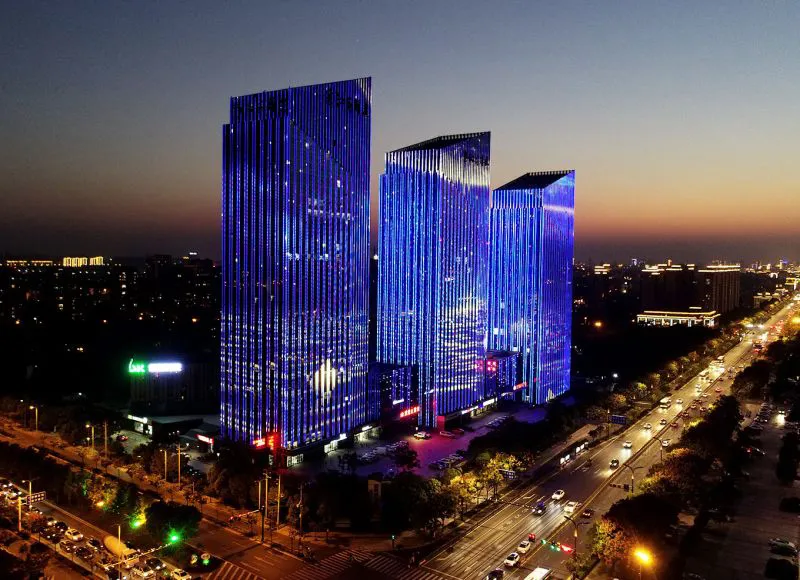
Case Study of Yangzhou Canal C...
-
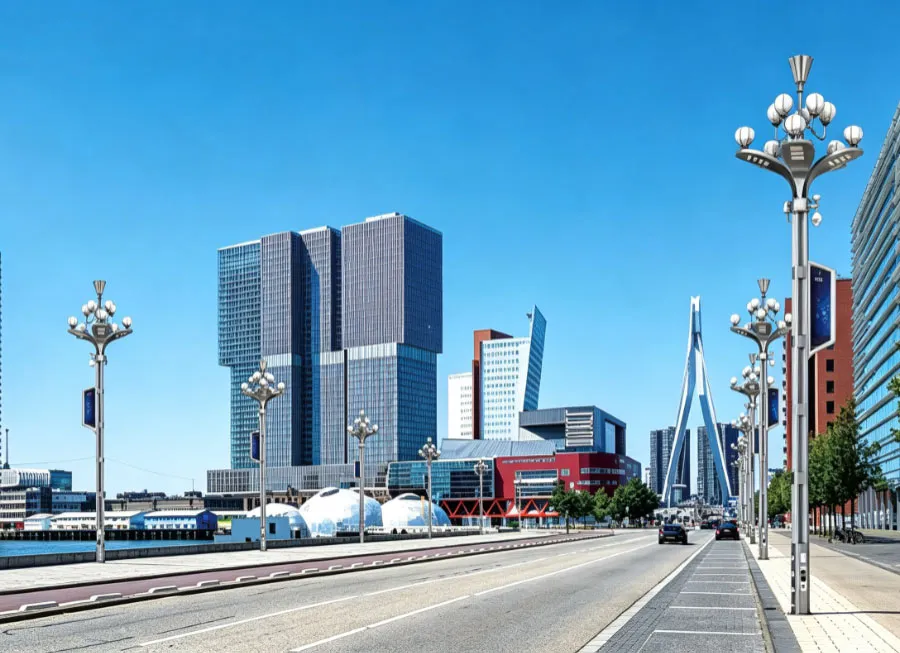
Smart City Lighting Solutions
-
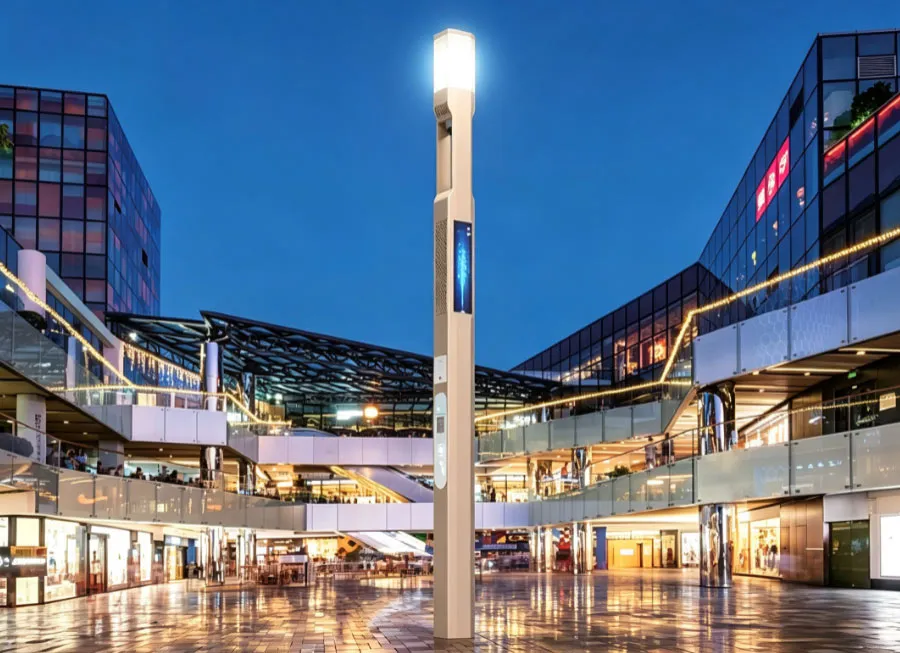
Urban Landscape Lighting Solut...
-
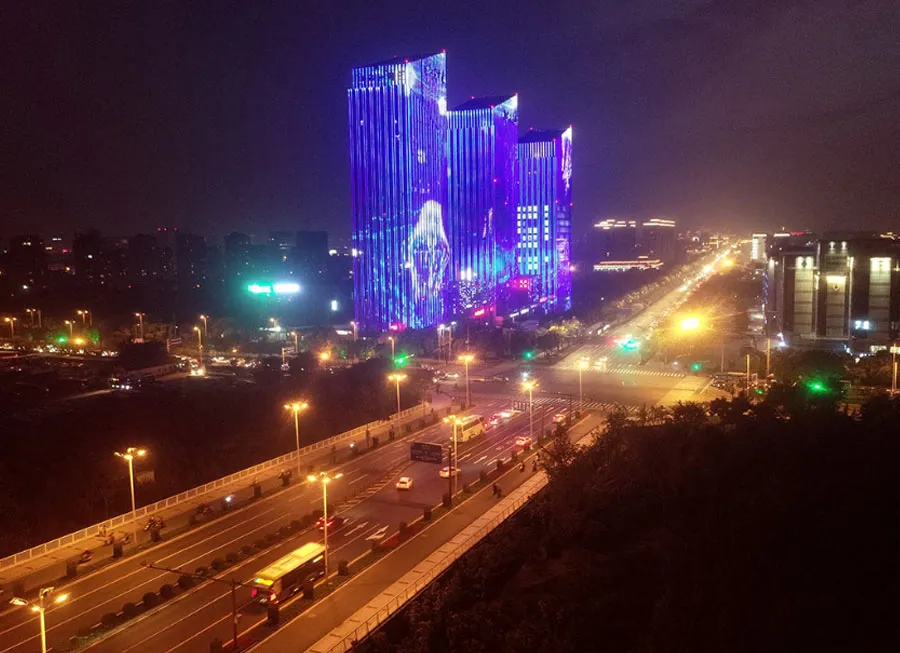
Commercial Lighting Solutions
-
Park Lighting Solutions
Video
Category:
No search results found!
Download
Category:
No search results found!
Job
Category:
No search results found!
Featured Products
No search results found!



 Phone