


Transmission Line Poles
Transmission line poles are essential structures used to support overhead electrical conductors and related equipment in power transmission and distribution systems. They play a critical role in delivering electricity safely and reliably from power generation facilities to homes, businesses, and industrial users. Designed to hold wires at proper heights and spacing, these poles help maintain stable electrical performance while reducing the risk of contact with the ground, buildings, trees, and people.A transmission line pole is typically built from strong and durable materials such as steel, concrete, wood, or composite materials. The choice of material depends on the voltage level, environmental conditions, expected load, and required service life. Steel poles are widely used because of their high strength, long lifespan, and ability to withstand heavy mechanical stress. Concrete poles are valued for their resistance to corrosion and fire, while wooden poles are often used in lighter-duty applications due to their lower cost and ease of installation. Composite poles are becoming more common because they are lightweight, resistant to decay, and suitable for harsh environments.These poles must be engineered to endure various forces, including the weight of the conductors, wind pressure, ice accumulation, and tension from cable spans. In addition, they must remain stable during extreme weather events such as storms, hurricanes, or heavy snowfall. To achieve this, transmission line poles are designed with precise structural calculations and installed with appropriate foundations. The foundation system is especially important, as it transfers the load of the pole and conductors into the ground and ensures long-term stability.Transmission line poles come in different shapes and configurations. Some are simple single-pole structures, while others use H-frame or lattice arrangements for greater strength and span length. Their height can vary significantly depending on the voltage level and terrain. Higher-voltage lines generally require taller poles to maintain safe clearances. Crossarms, insulators, brackets, and hardware are often attached to the poles to support and separate the conductors. These components help prevent electrical leakage and improve the safety and reliability of the transmission system.Maintenance is a key aspect of pole performance. Regular inspections are conducted to check for corrosion, cracks, rot, structural fatigue, and damage caused by weather or animals. Preventive maintenance helps extend the service life of the pole and reduces the risk of outages. In modern power networks, transmission line poles are also designed with considerations for visual impact, environmental protection, and ease of installation.Overall, transmission line poles are vital components of electrical infrastructure. They provide mechanical support, ensure electrical clearance, and contribute to the safe and efficient movement of power across long distances.
Products
Category:
-
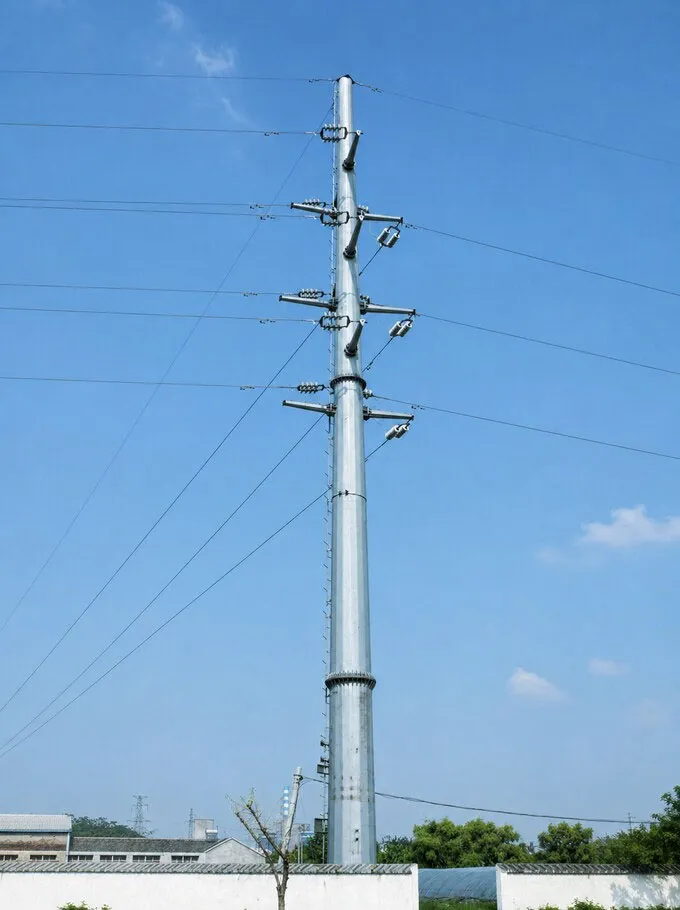
Steel Electric Power Pole Series
Category: Infrastructure ProductsBrowse number: 501Number:Release time: 2026-08-19 17:22:37The Steel Electric Power Pole Series provides tapered steel structures for power distribution and transmission-line projects. Available for straight-line, corner, terminal and branch applications, the poles can support single- or multiple-circuit arrangements according to the electrical design. Pole height, crossarm layout, conductor load, surface treatment, foundation and structural capacity are customized according to project drawings and local environmental conditions.
Blog
Category:
No search results found!
Solutions & Projects
Category:
No search results found!
Video
Category:
No search results found!
Download
Category:
No search results found!
Job
Category:
No search results found!
Featured Products
No search results found!



 Phone