


Traffic Infrastructure Systems
Traffic Infrastructure Systems are the networks, facilities, equipment, and technologies that support the safe and efficient movement of people and goods. They include roads, bridges, tunnels, traffic signals, signs, lane markings, pedestrian crossings, bicycle lanes, rail crossings, intelligent control devices, and monitoring tools. These systems are essential to modern life because they connect homes, workplaces, schools, hospitals, markets, and industrial areas, while also helping cities and regions function smoothly.A well-designed traffic infrastructure system does more than simply move vehicles from one place to another. It also improves safety, reduces congestion, supports economic activity, and lowers environmental impact. For example, properly timed traffic lights can reduce delays at busy intersections, while clear road markings and signs help drivers make better decisions. Pedestrian bridges, crosswalks, and protected bike lanes can reduce accidents involving vulnerable road users. In this way, traffic infrastructure supports not only mobility but also public safety and accessibility.Modern traffic infrastructure increasingly relies on technology. Sensors, cameras, and connected devices can collect real-time data about traffic volume, speed, accidents, and road conditions. This information allows transportation authorities to adjust signal timing, manage incidents, and provide route guidance more effectively. Adaptive traffic systems can respond automatically to changing conditions, such as rush hour, road construction, or severe weather. In addition, digital platforms can help drivers receive updates through navigation apps and electronic message boards, improving travel planning and reducing unnecessary delays.Maintenance is another critical part of traffic infrastructure systems. Roads and bridges must be inspected regularly to identify cracks, structural weakness, drainage problems, and wear caused by heavy traffic or weather. If maintenance is delayed, small issues can become major hazards and lead to costly repairs or accidents. Proper upkeep also extends the lifespan of infrastructure assets and ensures that public investment delivers long-term value.Traffic infrastructure systems must also be designed with sustainability in mind. Urban growth and increased vehicle use create pressure on existing networks, so planners often aim to improve efficiency rather than simply expand roads. This can include better public transit integration, dedicated bus lanes, park-and-ride facilities, and infrastructure that encourages walking and cycling. Sustainable design helps reduce emissions, conserve land, and create more livable communities.In the future, traffic infrastructure systems will likely become even smarter and more connected. Automation, electric vehicles, and data-driven planning will change how roads and transit systems are used and managed. However, the core goal will remain the same: to provide safe, reliable, and efficient transportation for everyone.
Products
Category:
-
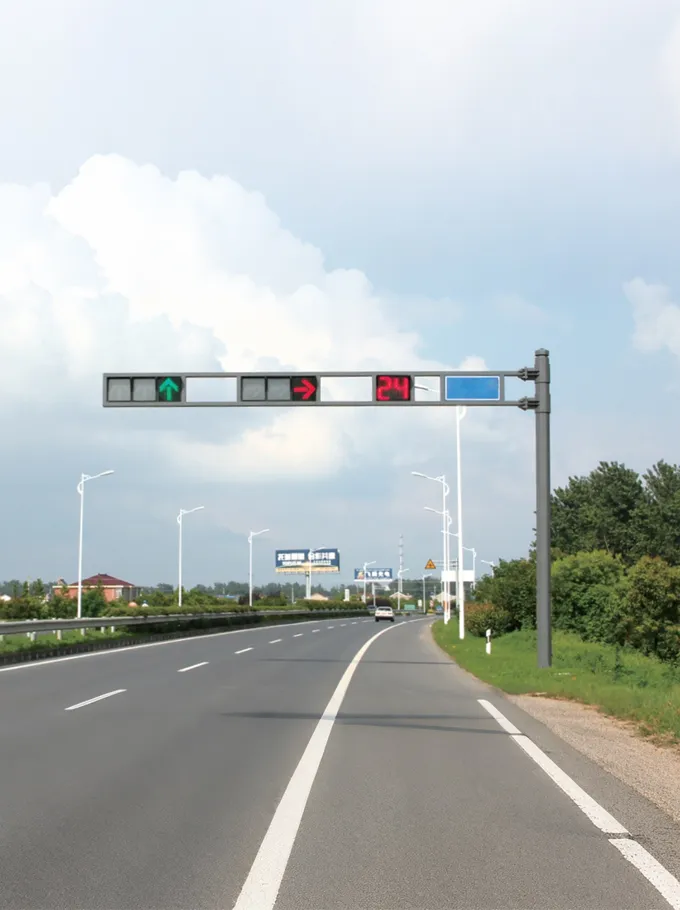
Integrated Traffic Signal Pole Series
Category: Traffic Signal PolesBrowse number: 644Number:Release time: 2026-08-19 16:14:14The Integrated Traffic Signal Pole Series combines vehicle signals, pedestrian signals, countdown displays, road signs and optional solar equipment within coordinated steel pole structures. Available in cantilever, vertical and multi-directional configurations, the series is suitable for intersections, urban roads and municipal traffic projects. Pole dimensions, arm layouts, signal positions and surface treatments can be customized for different road conditions and local standards. -
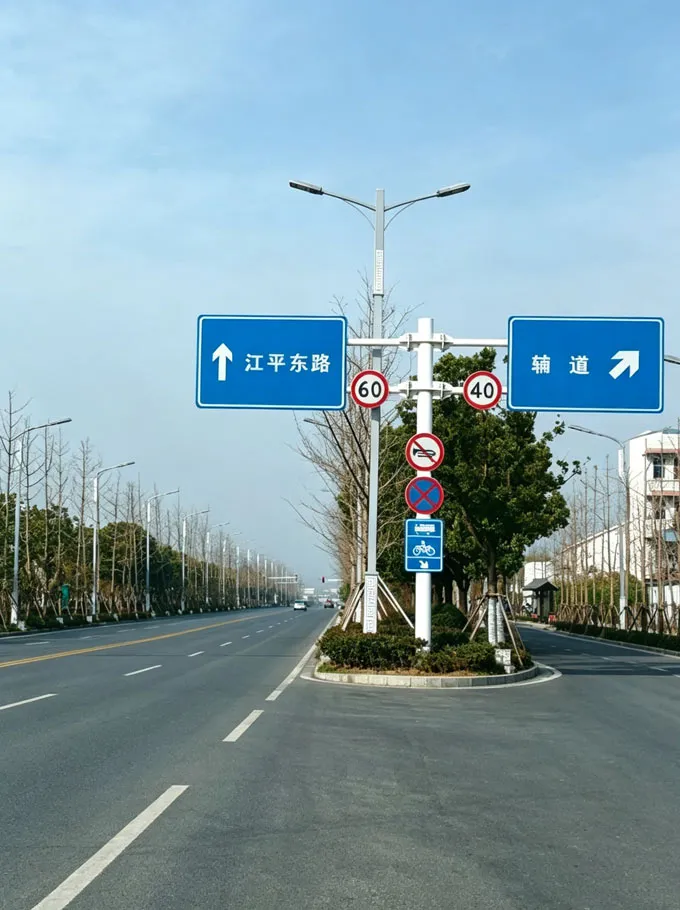
Traffic Sign Support Pole Series
Category: Traffic Signal PolesBrowse number: 517Number:Release time: 2026-08-19 16:28:27The Traffic Sign Support Pole Series provides customized steel structures for directional signs, regulatory signs, overhead lane signs and municipal road information systems. Available in roadside, cantilever and multi-directional configurations, the poles can support different signboard sizes and layouts. Pole height, arm length, mounting brackets, surface treatment and foundation dimensions are customized according to road conditions and project requirements. -
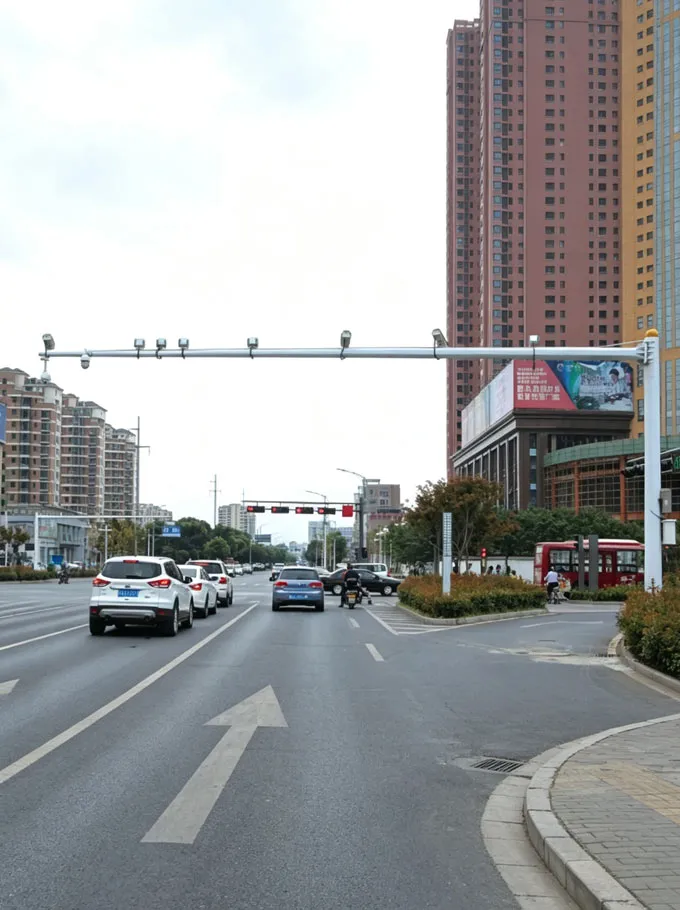
Traffic Monitoring Camera Pole Series
Category: Traffic Signal PolesBrowse number: 724Number:Release time: 2026-08-19 16:32:40The Traffic Monitoring Camera Pole Series provides customized steel support structures for CCTV cameras, traffic monitoring devices, vehicle detection equipment and road surveillance systems. Available in cantilever, gantry, roadside and integrated lighting configurations, the poles can support one or multiple devices. Pole height, arm span, mounting positions, cable routing and foundation design are customized according to the monitoring layout and site conditions. -
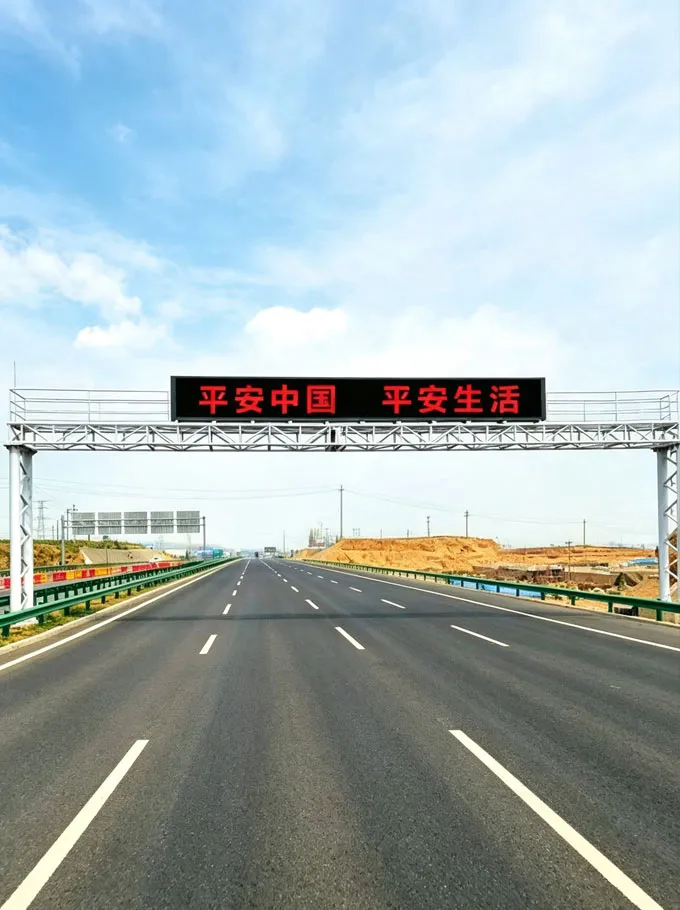
LED Traffic Information Display Series
Category: Traffic Signal PolesBrowse number: 511Number:Release time: 2026-08-19 16:37:01The LED Traffic Information Display Series provides customized display and support structures for variable traffic messages, road safety warnings and municipal information systems. Available in overhead gantry, cantilever and roadside configurations, the systems can be adapted to different road widths and screen dimensions. Display specifications, structural dimensions, mounting positions and control requirements are selected according to each traffic-management project.
Blog
Category:
-
[Lighting Technology & Guides]How to Plan Traffic Signal Poles for Urban Intersections
2026-08-27 10:43:18
Solutions & Projects
Category:
No search results found!
Video
Category:
No search results found!
Download
Category:
No search results found!
Job
Category:
No search results found!
Featured Products
No search results found!



 Phone