


Smart Sustainable Lighting
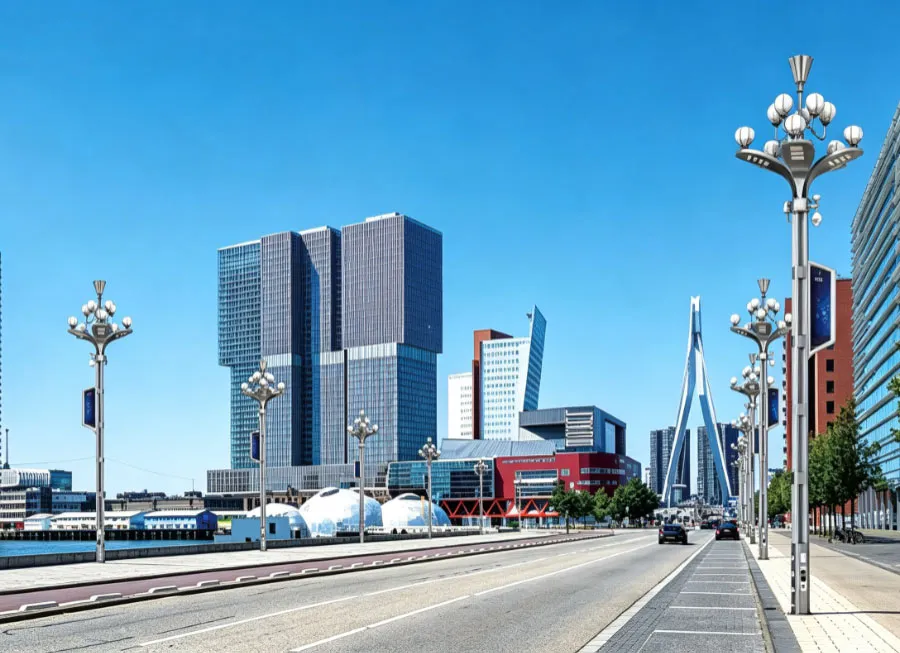
Smart Sustainable Lighting refers to an advanced lighting approach that combines energy efficiency, digital control, environmental responsibility, and human-centered design. It is more than simply using low-power lamps. It represents a complete system in which light is produced, managed, and adjusted intelligently to reduce waste, improve comfort, and support long-term sustainability. As cities, buildings, and homes become more connected, smart sustainable lighting is playing an increasingly important role in shaping modern living environments.At its core, smart sustainable lighting focuses on using less energy while delivering better lighting quality. Traditional lighting systems often operate at full brightness even when less light is needed, which leads to unnecessary electricity use. In contrast, smart lighting systems can automatically adapt based on occupancy, daylight availability, time schedules, and user preferences. For example, sensors can detect whether a room is empty and dim or switch off the lights accordingly. Daylight sensors can reduce artificial lighting when natural light is sufficient. These intelligent functions help lower energy consumption significantly.Sustainability is another essential feature. Smart lighting solutions are designed to minimize environmental impact throughout their lifecycle. They often use long-lasting, efficient light sources that reduce maintenance needs and limit material waste. Many systems are also built with recyclable components and low-impact materials. By consuming less electricity, they help decrease carbon emissions from power generation. This makes them valuable tools in efforts to create greener buildings, more sustainable cities, and lower-emission infrastructure.Smart sustainable lighting also improves user experience. Light influences mood, productivity, safety, and overall well-being. Intelligent lighting systems can adjust color temperature and brightness to match different tasks and environments. In workplaces, brighter and cooler light may support concentration, while warmer light can create a more relaxed atmosphere in homes or hospitality spaces. In public areas, adaptive lighting can enhance visibility and security without excessive energy use. Some systems even allow personalized control through mobile apps or centralized management platforms, giving users more flexibility and comfort.In urban settings, smart sustainable lighting contributes to the concept of smart cities. Streetlights equipped with sensors and networked controls can respond to traffic, weather, and pedestrian movement. This not only saves energy but also improves public safety and operational efficiency. Maintenance teams can monitor performance remotely, detect failures quickly, and schedule repairs more effectively. As a result, cities can reduce costs while providing reliable lighting services to residents and visitors.Overall, smart sustainable lighting represents a practical and forward-looking solution for a more efficient world. It combines technology, design, and environmental awareness to create lighting systems that use resources responsibly while enhancing quality of life. As innovation continues, smart sustainable lighting will remain a key part of building a cleaner, smarter, and more sustainable future.
Products
Category:
No search results found!
Blog
Category:
-
[Lighting Technology & Guides]How to Size a Solar Street Light System for Reliable Nightti...
2026-08-26 16:23:56
Solutions & Projects
Category:


Video
Category:
No search results found!
Download
Category:
No search results found!
Job
Category:
No search results found!
Featured Products
No search results found!



 Phone