


Public Information Pole
A public information pole is a versatile urban fixture designed to support the display, transmission, and sharing of important information in public spaces. It is commonly installed along streets, sidewalks, parks, plazas, campuses, transportation hubs, and other areas where people naturally gather and move through. Its main purpose is to provide a reliable point for communication, guidance, and public service content while blending into the surrounding environment in a practical and orderly way.Structurally, a public information pole is typically made from durable materials such as steel, aluminum, or other weather-resistant metals. These materials help the pole withstand long-term exposure to sunlight, rain, wind, dust, and temperature changes. The surface is often treated with anti-corrosion coatings or powder finishes to improve durability and maintain a clean appearance. The design may be simple and modern, with a slim vertical form that minimizes visual clutter while still offering enough strength to support signage, lighting, screens, cameras, speakers, or other functional attachments.A public information pole can serve many different roles depending on its configuration. In some cases, it functions as a display point for maps, directions, notices, schedules, or emergency instructions. In others, it may support digital panels that provide real-time updates such as transit information, weather alerts, event announcements, or community messages. Some poles are equipped with lighting elements to improve visibility at night and enhance safety in public areas. Others may integrate communication devices, surveillance equipment, environmental sensors, or public address systems, making them part of a broader smart-city infrastructure.One of the key advantages of a public information pole is its ability to organize multiple public services in a single vertical structure. Instead of installing separate stands, signs, and devices across an area, a single pole can centralize useful functions and reduce visual congestion. This makes it especially valuable in dense urban settings where space is limited and clear wayfinding is essential. It can also be designed to match the architectural style of the location, helping it appear coordinated rather than intrusive.From a user perspective, the pole should be easy to notice, easy to read, and easy to access. Information placed on it must be positioned at an appropriate height and angle so pedestrians can view it comfortably. Clear typography, strong contrast, and intuitive layouts are important for effective communication. If digital features are included, the interface should remain simple and legible under different lighting conditions.Overall, a public information pole is more than just a support structure. It is a functional communication point that helps people navigate spaces, receive timely updates, and stay informed in everyday public environments. Its combination of durability, adaptability, and practical design makes it an important element in modern streetscapes and public infrastructure.
Products
Category:
-
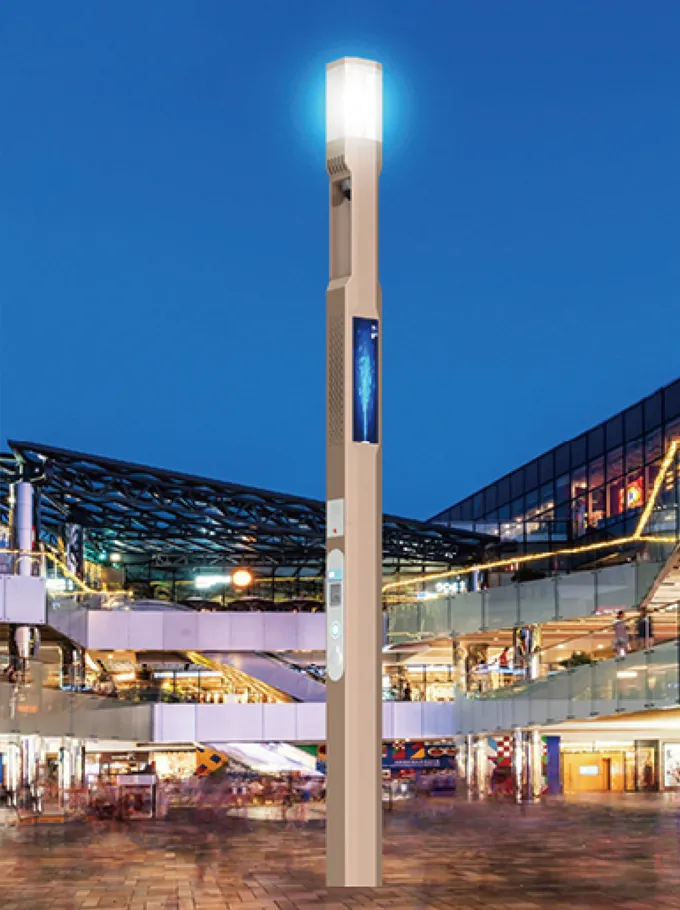
Smart Information Pole
Category: Smart PolesBrowse number: 597Number:Release time: 2026-08-14 14:38:08The Smart Information Pole is a compact urban infrastructure solution combining LED lighting, digital information display, and configurable smart service modules in a clean architectural structure. Designed for commercial plazas, pedestrian areas, transportation spaces, campuses, shopping districts, and public venues, it provides illumination together with an interactive information interface while maintaining a minimal footprint suited to modern architectural environments. -
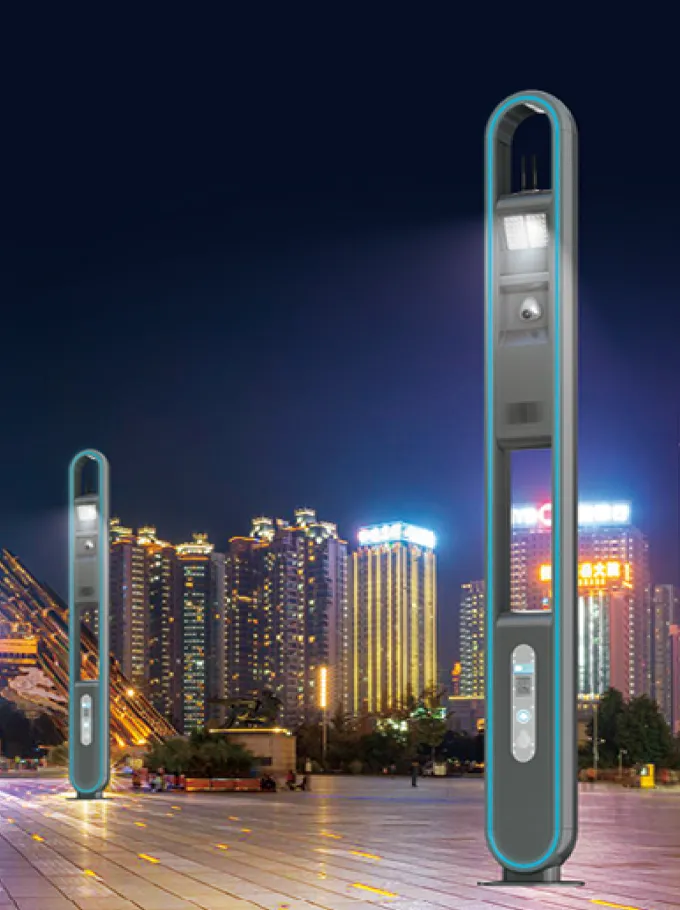
Interactive Smart City Pole
Category: Smart PolesBrowse number: 569Number:Release time: 2026-08-14 14:56:55The Interactive Smart City Pole combines integrated LED lighting with configurable digital, sensing, communication, and public-service functions in a distinctive contemporary structure. Its slim rounded profile is designed for plazas, civic centers, commercial districts, pedestrian areas, cultural venues, campuses, and smart city demonstration zones where intelligent infrastructure must complement the surrounding architecture while providing convenient access to connected urban services.
Blog
Category:
No search results found!
Solutions & Projects
Category:
No search results found!
Video
Category:
No search results found!
Download
Category:
No search results found!
Job
Category:
No search results found!
Featured Products
No search results found!



 Phone